What is personal branding for athletes?
How does an athlete build, leverage, and enjoy their brand as a potent marketing tool?
Personal branding strategies for athletes are increasingly data-driven (*Numinal specializes in data-driven branding, media & marketability strategies). But before data can play a significant role, it is critical to understand how to develop the foundation of an athlete’s brand.
In this article, we look at:
- how to imagine your personal brand as an athlete
- how to develop it in alignment with your true values, and
- how to position it to generate long-term income
Personal branding for athletes is about building a unique identity. Your personal brand identity encapsulates your specific motivation, attitudes, and values.
Think of Reebok or Nike.
Both brands espouse extreme athleticism-sports at a professional, competitive level. Athletes use their products, but consumers also buy their products because it signifies their (real or imagined) active lifestyle.
People-including athletes-need more than being gung-ho as a brand persona, but we can easily see an overarching theme from these sports apparel leaders (and their fans) – and how potent it is.
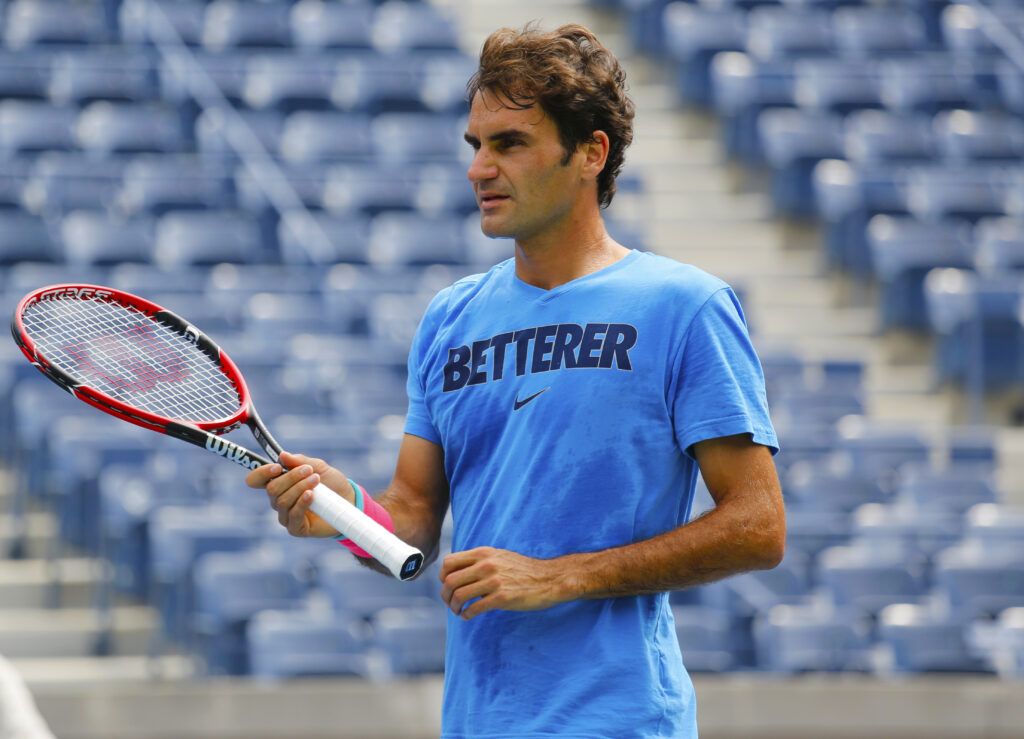
Personal branding for athletes means purifying your personality into a unique persona. This isn’t to project a false persona, but rather to distill the essence of your endeavors by highlighting your skills and attributes, and engaging with fans in a manner they can relate to.
The things that drive you to compete, the aspects of you that you feel define you-these are the elements included when building your brand.
Using your personal athletic brand
Personal branding allows you to differentiate yourself from competitors, and athletes can leverage personal branding in their business endeavors in a way no broad digital or corporate branding can hope to emulate.
As a rising amateur or professional athlete, your personal brand is the singular image people ‘see’ of you.
This image is usually formed from their opinion of you as:
- a fellow citizen
- how they’ve seen you appear in the media, and
- the impression they get of you online.
Looking at those three inputs, it’s not hard to see that your online image is the one that you can boost and polish to heighten awareness of your personal brand.

Have you ever searched your name? What pops up? What would you like to see, and what would you like to erase?
Athletes who proactively manage their personal brand online eliminate the potential for scandal, and can present a legitimate and authentic face to the world.
All told, athletes have it relatively easy; you’re not marketing a product you have to hype to believe in, just you! By working on your personal brand now, logical and appropriate marketing opportunities will unfold going forward.
Use your personal brand to steer your own outcomes and build personal authenticity that will stand you in good stead for future income.
Why is personal branding for athletes valuable?
As a rising or current professional athlete, you already know that the big revenue comes from partnerships and endorsements. Game contracts are often your bread and butter, but money from promotions will elevate your lifestyle.
Taking the time to develop your personal brand means it becomes easier for companies to align themselves with you.
For example, if you embody the very same values espoused by La Sportiva (climbing shoes) or New Balance (running shoes), those companies will find it very easy to collaborate with you in a sponsorship or endorsement arrangement.
There are symbiotic reasons why personal branding for athletes is so crucial, too. Athletes are innate influencers by default. That’s just how the masses respond to athletes. Personal branding for athletes, then, is also about athletes becoming role models for everyone to look up to, including other aspiring athletes and especially children.
If you’re not broadcasting a trustworthy, strong, and reputable personal brand, your image can become tainted. If you’re not telling people who you are, someone else will. An athlete’s personal branding puts them in charge of how others see them – don’t let anyone else own that reality.
The Michael Jordan brand
Lastly, personal branding for athletes is like personal retirement planning: a resilient and authentic personal brand ensures that looming retirement can be enjoyed. Sports fans hang onto their icons much longer than consumers hang onto consumer goods. Parlaying your brand into revenue that continues well past your competitive days is significantly easier when you’ve done the groundwork of personal branding.
Branding and the balance needed in a sports’ career
As a rising or established athlete, personal branding can show the hard work and determination that’s gotten you thus far.
Some martial arts schools show practitioners’ grades in colored belts (kyū) and dans. You show “grade” by the extent of your personal branding. Both types of grades are based on performance, but personal branding for athletes is also about the ‘feel good’ aspect of engagement and imagery, too.
In a Catch-22 reality, as a competitive athlete, you’re likely going full steam ahead on the field or track to get better at your game. It can seem otherworldly and frustrating to spend time in the digital arena on your personal branding. There’s a balance required between training and personal branding, and it takes different forms for different people.
Think of personal branding for athletes like your warm-ups. Perhaps a constant and occasionally boring habit, but crucial when you should have done it and haven’t!
Practice in your game is essential, but so is personal branding. A marketable personal brand isn’t made overnight, and when your performance becomes noticeable to followers and sponsors, you’re going to wish you’d been consistent with it.
When you attain a certain athletic status, the impact of your personal brand and your influence become much greater, which necessitates paying even closer attention to them.
This becomes a hot tip for rising stars- pay attention to your personal branding now and your impact will grow. Your influence (and thus income) will follow logically from a proactive personal brand.
Personal branding for athletes, in context
The personal branding of yesteryear was handing out your business card. Unless you were an extremely high-profile person, that was all anyone knew of you.
Today, it’s digital.
It also shows just how potent personal branding for athletes is. Indeed, personal branding is a double win. You’re managing your online presence to suit your long-term business goals best, and you’re exposing yourself to future income (and sponsorship) that’s always been a ‘great-to-have’ benefit for aspiring and pro athletes.
In fact, for many professional athletes, that attention and/or revenue is a must-have, without which the world would never have heard of them.
Personal branding for athletes is key to a lifetime of successful marketing
How far does personal branding reach across digital channels?
Everywhere.
From TikTok and Snapchat, through Twitter and Facebook, and even to LinkedIn, too.
Few other types of branding can be so expansive and effective as personal branding across digital channels, especially for athletes.
Your personal brand is crucial to you professionally as an athlete. It’s presenting yourself to clients or sponsors now or in the future with true grit and honest sharing rather than glitz and glamour.
Here’s a truth about online life that’s been true since the internet began: you can’t control how people will feel about you online, but you can largely control how they won’t feel about you by managing your presence and eliminating fuel for negative perceptions.
It’s a subtle yet important point, and personal branding for athletes means embracing it wholeheartedly and putting your best foot forward.
“The success or failure of your brand will depend on your ability to get people talking about you, thinking about you, wanting to be you whether you are on or off the court.”
Think of personal branding for an athlete as your calling card – the snapshot view that makes all other marketing overtures easier. With a strong personal brand, athletes have already identified (and sold) themselves to prospective sponsors, as it removes a whole host of variables that normally hinder – or reduce the volume of – income gained from their careers.
Athletes with a strong, positive personal brand attract sponsorship and followings, or followings and sponsorship – the order doesn’t matter.
Nothing else allows athletes to step into becoming well paid influencers quite like a solid, proactive personal brand.
How to create your personal brand
No matter where in your sporting career you find yourself, it’s never too soon to start building your personal brand. The internet never forgets, and that’s both good news for brand building and a scary reality for those who have used social media as a venue for drunk party pics or hateful comments.
How do you figure out how to present yourself online to fans and sponsors? What are the starting blocks of personal branding for athletes?
Figuring out what you truly value in this life, what you admire, what drives you, is the first and only needed point in a long list of ‘how to do’ personal branding. It might sound simplistic, but once you’re clear about your personal values, every topic or issue that crosses your radar will be dealt with capably and without contradiction.
This is because your values are the first filter through which all things pass, and the platform from which correct commentary and valuable contribution becomes a cinch. Values that inform your conduct and demeanor are the springboard from which personal branding for athletes launches.
Olympic times or record-smashing performances are thrilling, but they’ll only carry an athlete so far. To enjoy a personal brand and a dedicated following – and the sense of good living that stems from these – athletes must know their values.
Social media has become personal branding for athletes
What builds a personal brand on social media?
Consistency.
Just showing up and taking the time to engage is winning half the battle of an athlete’s personal branding.
Some 84% of millennials don’t trust traditional advertising. They feel the fakery, the attempt at involvement. Athletes, on the other hand, are some of the most genuine people on Earth for the average fan simply because their performance is on display. Rather than “taking a product to market”, athletes are products that find a market waiting for them.
Even famous professional athletes need to do more than post a few selfies to build a personal brand, but there are marketers who would kill for the angle athletes have on personal branding. Personal branding for athletes is a comparatively easy sell, and is synonymous with a consistent social media presence.
Instagram is one of the best platforms for athletes, along with Snapchat, Twitter, YouTube, and Facebook. Figures are fluid and there’s no one right platform above all others, so there’s ample room to express your personal preferences for a primary social media platform.
However, not all athletes are aware of how important it is to build a strong, authentic brand.
To enjoy a solid personal brand, you need to know:
- where you are in your game
- where you want to be as an athlete
- who you are as a person, and
- the aspects or skills that make you different from everyone else
So how do you do it? How do you build a personal brand on social media as an athlete?
Espouse your personal values.
It all starts with being clear about who you are.

Without understanding what your ethics are, your personal branding will be gibberish.
When you know who you are, what your values are, and you understand your performance and potential in the game, then your authenticity can carry miles across social media.
Your values are the most important component of your brand.
One of the great things about social media is that it not only helps to promote the values of your personal brand, but it also differentiates you from your peers. The sacrifice and constant training of an athlete’s life are common to all sports figures, and that’s a huge advantage for every competitive athlete’s personal brand. Everyone voices their values differently, so even sharing the same values as others takes on a personal tone online.
Your unique voice is amplified on social media.
Identifying and sharing your values makes you authentic. Personal branding for athletes can’t be faked; authenticity is vital online – and when it comes to personal branding for athletes, doubly so.
Crucially, you need to ensure that your online persona matches the real-life you.
Few things will kill your personal brand faster than people discovering it isn’t genuine. Furthermore, staying authentic makes differentiating yourself from other athletes much easier. With a few million amateur athlete influencers rising, remaining authentic and genuine in your engagement is priceless when sponsors search for possible partners.
Personal values might be personal, but their effect is visible. They build the long-term value of your brand, and you can’t substitute them with anything else.
Practically, when creating a social media strategy for your personal branding, contemplate these questions:
- Who is your audience, and what do they expect from you?
- Are you meeting them where they are?
- What type of sponsorship do you imagine in the future, and from whom?
- Are you their kind of ambassador?
- Do you have any other business goals for the future that you should consider now, too?
- What kind of media assets do you have that can be used in your social media?
Your social media strategy might incorporate aspects of yourself that will make you appealing to both fans and corporations.
To ensure success: have a strategy, analyze it regularly, and stay consistent in posting. Three times a week on your primary platform, plus engagement in conversations that might arise. That’s a good minimum posting frequency for social media posts on any platform.
If consistency in posting is key to personal branding for athletes on social media, then the second non-negotiable is quality. Video is always good and can even be amateurish if the content is worthwhile, and for athletes, sometimes a personal note or a slapstick clip can be even more effective than a polished, corporate-style video.
Quality content posted consistently is the key.
Quality or valuable content is, as Gary Vaynerchuk often points out, often entertaining or useful in some way to the audience.
Be yourself, and you’ll hit your stride and develop a regular crowd who will want to keep up with you. Authenticity is the baseline for personal branding for athletes. Know your values and keep to them – your values will attract those who feel or aspire to the same.
Content planning is essential, especially if you have a range of topics or media assets that you want to post alongside regular posts about your training regime, the last game, your latest gadgets, or a trip you took. While athletes’ lives are generally full of great clips, pics, and events, a bit of planning will reassure you and ensure enjoyable engagement.

Post quality content consistently. Post about your last practice session, a hot topic (treading carefully around sex, race, and religion), a product or technique you’ve discovered-and you’re building your personal brand, one post at a time.
Sponsorship from athletes’ personal branding
Brands are constantly on the lookout for channels where they can promote their products, and athletes are a great vehicle for the purpose.
Not only athletic brands, but all brands seek some of the starlight shed by athletes and their game. Ideally, not only will shared values have brought an athlete and sponsor together, but mutually shared objectives will form a foundation of their relationship, too.
Athletes might seek out sponsorship as a component of personal brand building, too-there’s no cart before the horse here. If you secure a sponsorship that boosts your personal brand – or develop your personal brand so that it secures sponsorship – you’re going up!
Athletes with a strong personal brand provide companies with the prospect of reaching thousands, if not millions of potential new customers. Athletes that display good performance, a consistent social media presence, a genuinely engaged audience, and consistently valuable content attract corporate interest.
A sponsorship agreement normally encompasses displaying the sponsor’s logo on clothing and equipment, while specific social media content you post will promote the sponsor’s products, presented as some of your essential items.
Modern digital channels provide a win-win scenario for both athlete and sponsor alike, in a manner TV could never hope to emulate. Generally, modern sponsorship deals take their most visible effect on social media, where the athlete’s personal brand generates solid engagement and visibility, for both the athlete and the promoted brand products.
Is it collaboration or sponsorship?
Short-term collaboration is a rising trend among athletes. The difference between collaboration and sponsorship is fairly simple: sponsorship is seen as a long-term venture, whereas collaborations can be fleeting and short-term.
Collaborations can arise quickly and pay great dividends to athletes, but beware of faking it for a buck. It’s important to only promote products that you genuinely like and actively believe in.
Why?
Why not take all comers and push their products to increase your income?
Because a few months down the line – and sometimes more abruptly than that – your credibility is gone, along with your followers. You made some money, but that income stream is now forever shut off because you paid for that revenue with your authenticity.
Unless you’re genuinely able to recommend something online, don’t tarnish your long-term credibility by endorsing products you wouldn’t use. As any professional or amateur in the limelight can attest, fans adore athletes as a rule, but readily hate those who visibly try to milk their audience by selling junk.
If you’re not promoting something you believe in, the collaboration won’t last long. Right after it dies, so will a far more important relationship-the one between you and your audience. While it can be excruciating to turn away money, inauthentically peddling products is a short-term gain for a long-term dead end.
No athlete with future hopes and dreams in the business can afford to lose the interest (and trust) of their hard-won social media community. As a recent article on athletic sponsorship put it, “Athletes are partners, not commercials.”
Don’t become so commercially minded that you lose the real value of your personal brand.
How to measure personal branding success in a digital world?
Followers.
That’s the short answer.
A person’s following online remains a good indication that the fundamentals of success are there, especially when it comes to competitive athletes. Your following may be modest yet productive, so remember that huge numbers aren’t everything – but your following metrics can’t be ignored.
Sales and income are the next most relevant metrics to note. Are you successfully representing products that you really like? Are your efforts in personal branding paying you real dividends?
This is a difficult one to answer when it comes to the question of, “Has it worked?” This can be particularly tricky because an athlete might spend years on a seemingly slow burn, only to suddenly rise to prominence on the back of a transfer, an invitation to play, or a particularly great recent performance.
On the opposite side of the coin, don’t call your personal branding’s value too soon, either. Sponsorships and other deals are happening every day, and an athlete’s value is waxing, not waning. When you’re competing at a certain level and beyond – and your personal online brand is established and solid – those deals will come your way.
While performance remains the competitive divider between those who are eligible for it to happen and those who aren’t, regularly trying to measure the success of your personal brand can help motivate you to continue in your athletic endeavors. It also denotes what you can expect from possible business partners going forward.
The typical metrics of followers, views, and comments can seem a little contrived at times, valid as they are. Measuring engagement that matters to you more flexibly can also be a great way to refine your brand, and make it stronger for your purposes.
Personal branding for athletes is a positive step
Remember: personal branding by athletes is seen as positive by society at large. If anything, the enhanced ability for both rising amateurs and pros alike to generate deserved income for their efforts has been a long time coming.
Personal branding for athletes is synonymous with recognition for athletes, and although it takes effort from an athlete to build that brand, the model is remarkably egalitarian.
Brands love the following and charm of athletes. Athletes love knowing that they are seen as largely positive and welcome in society, and that they can look forward to revenue that can sustain them in their current and future pursuits.
People love returning (wittingly or not) to the old word-of-mouth model in digital form, and there are few who will take a sport or training tip from anyone other than athletes.
Personal branding for athletes starts at that level-people are interested, they do admire those among them who strive for excellence, and they’d love a glimpse of your endeavors.
With personal branding for athletes, humility has a massive currency and immediate charm. Be humble and friendly than all ego and aloof. As an athlete building your personal brand, your best assets are your authentic self, a life lived admirably, and the current social contract that dictates you can be rewarded!