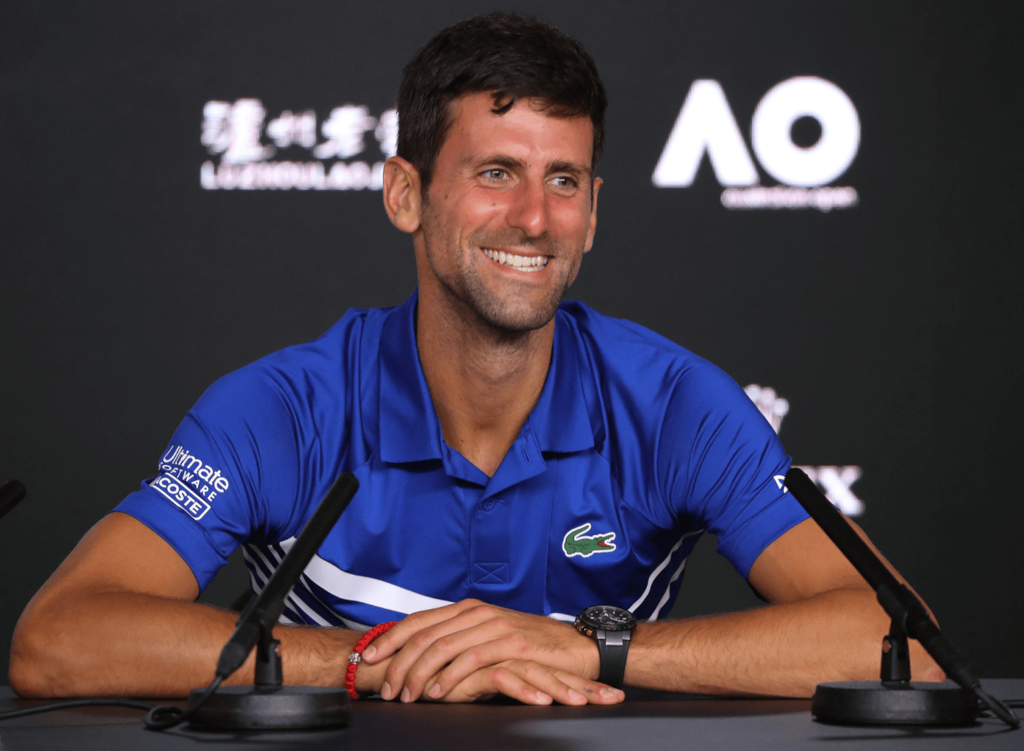
Athletes make potent influencers; it’s a powerful, mainstream reality.
While established pro athletes know their high profile’s ability to generate revenue, influencer activity isn’t the same as brand endorsements or other legacy sponsorship obligations.
Below, we’ll look at why athletes are considered ‘default influencers’ in the eyes of the public and how both amateur and pro athletes can benefit from the emergence of the digital influencer era.
If “influencers” seems like a made-up title only for vacuous Instagram users, the time has proven that perception wrong. Influencers are now part and parcel of marketing budgets in companies large and small all over the world, and – rather than being just a fad – influencing has found its groove by showing its immense value for brands and influencers alike.
For athlete influencers, doubly so.
Why should you be an athlete influencer?

eMarketer.com noted last year that “US influencer marketing spending will rise by 33.6% in 2021 to $3.69 billion,” and smaller influencers are “poised to win more brand followers in 2022.” Both facts are extremely promising metrics for athlete influencers.
Think of influencers as ‘alternative media’; alternative means they’ve established their bona fides in their messaging to amass an audience following on their chosen platform. As opposed to mainstream media advertising (which isn’t the young, rising consumers’ hangout, anyway), athlete influencers broadcast with an intimacy that spells authenticity for their followers.
Connecting with an athlete influencer means engagement and proximity to fans, notwithstanding influencing’s digital nature. Gen Xers understand this model well; in their childhood, people listened to a news agent’s opinion on global affairs or tried a product their local hairdresser recommended in passing. Influencing is the digital version of that proximity – that ‘neighborhood,’ if you like.
While established pro athletes typically understand that athletes today can be potent influencers and don’t neglect their social media, up-and-coming talent often misses that potential despite their social media presence.
Both amateurs and pros can find influencer activity daunting, but it comes down to three basic rules:
- be honest
- share legitimately valuable information
- allow followers a close-up glimpse of your sports journey
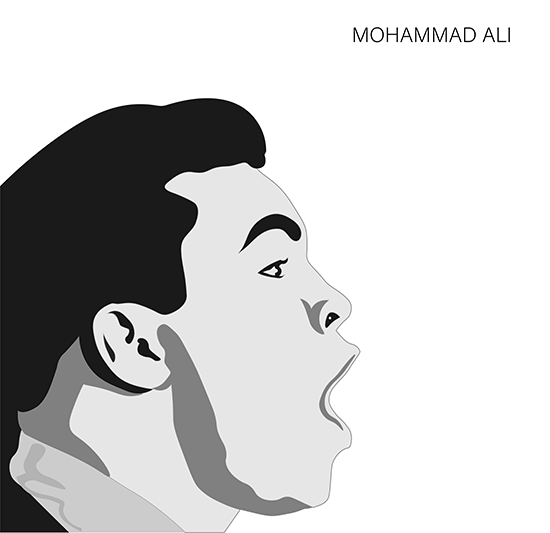
As Mohammad Ali knew only too well, you must own the crowds – your people, your support – to be truly world-class. Athlete influencers are doing just that, and the best provide.
genuinely valuable content that resonates with their followers. Because their performance is visible, athlete influencers carry credibility few other marketing avenues enjoy.
That legitimacy is proving extremely valuable.
People look (and listen) to athletes
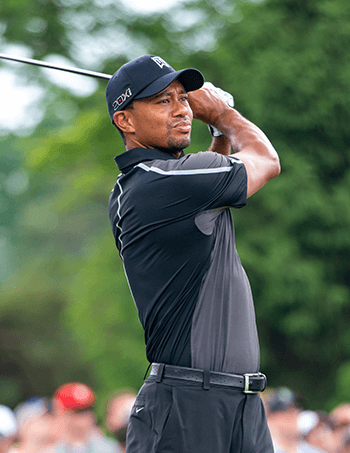
People like to follow athletes’ performance and development because it often feels like the effort and glory ‘rubs off’ by association. Sports stars like Arnold Schwarzenegger, Diego Maradona, Lance Armstrong, and Tiger Woods started and perpetuated the sports superstar realm. As TV became hi-res in the 1970s and sports were solidified as national pastimes – and legitimate personal pursuits – modern sports stars were born.
Rather than fading into an ever-growing world, sports stars have found themselves able to straddle the globe, and this arc of fame and recognition now stretches down into the amateur leagues. If money loves sports for the dividends it pays, consider the heightened profile and growing monetizing of amateurs as money’s long-term investment. Sponsors, like racing horse owners, are starting to ‘shop’ among the younger generation.
Today’s amateur athletes are tomorrow’s superstars
In the US, the National Collegiate Athletic Association’s (NCAA) name, image and likeness (NIL) policy changed in 2021 to include college athletes, opening a massive and previously untapped reservoir of athletic influencer talent to shrewd marketers.

Their costs are far lower targeting amateur athlete influencers than superstars, but the results remain profitable. They also get to be first in line for the future’s superstars-a double win for marketers. On the other side of the association, even comparatively lesser revenue than superstars can make a huge difference in an amateur’s life, and truly facilitate the development of their full potential.
Athlete influencers are watched by thousands to millions simply by participating reasonably in their chosen field. The higher the level, the greater the visibility becomes-outstanding performance gets noticed in any arena of human endeavor.
Perhaps even more important than performance, however, is an athlete influencer’s authenticity. You don’t have to be world-famous or win every race to have the respect (and ears) of fans, but rather openness and honesty in dealing with followers on social media, if only on sport topics.
Athletes have an authenticity few can match because their mettle is tested in the public domain. Athletes taking that credibility into social engagement enjoy an authoritative digital voice because of it.
Why are athlete influencers so powerful?
An athlete influencer’s legitimacy is like the star review system; more legitimacy means more stars. That means higher credibility, happy customers, and increased sales. However, athlete influencers trying to hype sponsored wares to spin a buck might have their fans, it’s a long-term failure and will never equate to the consistent sales power of visibly genuine and honest athlete influencers.
The higher an athlete influencer’s sporting rank, the better, but authenticity comes first.
Authenticity…
- breeds sympathy when you’re in a slump
- rallies support when you show up
- enables a much shorter chain between the customer and the products or services you might promote.
A recent Forbes article entitled Why Athletes Make Great Influencers, noted that athletes enjoy “…an authenticity upside.” It also noted that “Things have become, dare it be said, more Olympian, not less.”
3 reasons why athletes can be potent influencers
- Simply put, athletes are cool. That might sound like an egotistical or presumptuous statement, but we’re all human. Those that apply determination to sports performance generate a massive resonance with all people because we all share the same physical makeup. People watch what athletes do and ‘own’ a bit of that potential for themselves. The admiration we have for athletes hasn’t eroded since Olympic times. It’s solidified further, particularly over the last few decades. Watching athletes allows us to dream richly.
- Social media has spawned a new arena. The digital platforms and modes of use today are unlike anything prior sports star ever knew. As performances have risen ever higher, the entertaining, thrilling spectacle of human sports has been cemented by the modern digital world. It’s never been easier to watch sports or touch the halo surrounding athletes. It’s often lost on those born into an already digital world, but that doesn’t mean social media is any less revolutionary for the athlete-fan relationship. Social media platforms generate more intimacy with athletes for their followers; they resonate with the rising demographic; they enable a remarkably personal experience with less real-time hassle for the athlete; and they facilitate a stronger affinity from fans. That’s a very potent marketing cocktail, and businesses know it.
- The preeminence of sports in every country across the globe often transcends political or national hostilities. Hollywood gave us a rendition of this in Rocky IV when Sylvester Stallone defeated a “soviet” fighter on Russian soil, but that movie plays on a genuine reality. Think of Michael Jordan visiting North Korea, an overture perpetuated by Dennis Rodman, or the many leagues that draw on athletes and teams from worldwide regardless of their nationality or political affiliation. As a recent article in The Times of India plainly states: “Regardless of age, gender or ethnicity, sport is enjoyed by all; its reach is unrivaled.”
How to translate your game into an athlete influencer profile
Athlete influencers have a documented history. In the US, brands first started aligning themselves with prominent baseball players during the 1920s and ‘30s. This was the genesis of the modern-day athlete influencer.
The first leg of the journey towards today’s reality was having a famous sports’ figure selling products to the public. That was the model until the 1970s. Michael Jordan embodied the second leg. Michael Jordan wearing Nike shoes on the court ushered in a whole new level of the athlete-influencer journey.
Today, the athlete influencer speaks directly with their followers-the latest evolution that’s seen the emergence of sport influencers as a crucial component for almost any brand.
Interestingly, when athletes promoting products or services first emerged as a marketing strategy, most brands jumped into the concept without soliciting the athlete’s permission first. As outrageous as that sounds today, it was only much later that such marketing became a mutually beneficial relationship. Before this, brands poached athletes’ names, images, or likenesses (NIL) to use as they saw fit.
Building your influencer profile: do’s and don’ts
There are certain aspects of being an athlete influencer that must be addressed as you begin the journey.
First, don’t develop your influencer profile based on concerns about your teammates or competitors! They aren’t paying your bills but rather competing for attention and revenue. It might be a very happy and affectionate competition, but the point is: don’t worry about what other people think, especially other athletes.
Former Team Snowboarder Natalie Allport put out a clip addressing just this issue, and it’s well worth watching. Followers and fans are looking at you-don’t squander your athlete influencer potential by looking at your peers! Accept that you have the legitimacy as a competitive athlete, and that social media engagement and revenue is the wave you’re riding right now. It will wash over you leaving you feeling drenched and miserable, or you can ride it profitably into the future.
The choice is yours.
Secondly, while some athletes will instinctively find partnering with established influencers a better route to influencer income, the current model rapidly becomes athlete influencer direct. It’s not unusual to initially partner with an influencer[1] or two and then emerge shortly thereafter as an influencer in your own right. Athlete influencers have immediate clout regardless of whether they’re pro or amateur, and a quick search shows that the default expectation is for athletes to be the influencers.
So, how do you do it?
How do you begin to share your athletic journey with others on social media?
5 ways to ensure athlete influencer content success
- Optimize your social media profile and ensure they’re complete and consistent across platforms. Consistency is key for all social media marketing.
- Athletes who maintain a consistent online presence can expect a good return on investment. Athlete influencers set trends, raise awareness around causes, and bring significant credibility to the branded products they enjoy. Popping up now and again to yell, “Hey, I’m still here!” isn’t going to get results. A fundamental truth of content marketing is consistency in presentation, frequency, and quality. You can add in a few impromptu posts, but keep the backdrop consistent.
- Authenticity is crucial, as we’ve established above. Just be yourself! That said, fans do expect athletes to be better than them on – and off – the field. Rethink every post before publishing, and avoid being profane or too opinionated. People follow athlete influencers’ advice and recommendations because you are the one who has your life together; you’re the achiever. They want you to be better than them, so playing gangster or posting erotic content might evoke a nice spike in attention, but it’s a long-term dead end. Decent and polite content denotes humility and gains more fans. Athlete influencer etiquette is the smartest choice.
- Vary your content while sharing your world. Comments and snapshots are great, sports-tactical insight is mandatory (insider tips from an athlete), and active fans will enjoy regular posts about your training program. Throughout your content, you’ll find logical places where mentioning the shoes you wear or protein bars you eat will fit in naturally without being fake.
- You might want an initial consultation with a social media marketer, as this will give you a host of content ideas and help you determine your post format and frequency. Plan your content posting in advance, but you can also dive into topics that arise during the content plan’s roll-out. Having a rough plan of varying content types and topics in addition to what you decide will be regular posts makes influencing more fun and eliminates the pressure.
Finding ‘your tribe’
On social media, everyone has their tribe – you’ll find yours. As an athlete, you’ll find them easier than most.
Don’t forget that athlete influencers enter social media at a far higher level simply because they’re athletes. It’s not about lording it over people, but giving them a glimpse into your fascinating sporting world.

There are people out there who gravitate to all levels of athletic practice and performance. The fact that most people today understand the dedication that goes into a sports career is already a major advantage. Even super-fit citizens who regularly run marathons or compete at a higher level than normal idolize the pros. They understand how to get close to athletes via digital channels, and they want to hear what athlete influencers have to say.
Share your journey and experiences, and people will listen no matter how small and granular the exercise initially looks. In short-don’t underrate yourself! Remember: athletes are already leagues ahead of the average influencer.
People might run or play club sports, but even these fans (and often especially these people) will look at your professional intentions as a league above them, an aspiration.
Welcome their admiration humbly in your online engagement, and you’ll accrue followers rapidly.
Athlete influencers can dive into a unique income stream-jump in!

All told athlete influencing can be significantly less technical than other, more convoluted marketing strategies. Your bona fides are established by your professional aspirations. Athlete influencers can be amateur athletes (NCAA athletes), professional athletes, extreme sports athletes, Olympic athletes, sports entertainment athletes (i.e., the WWE), and even fitness buffs.
Indeed, the NCAA’s recent reversal of previous NIL restrictions has unlocked the potential for thousands of new athlete influencers. This has also made it crucial for college athletes to establish and maintain an online presence earlier in their careers.
Athlete influencers can inspire their audience to up their own game, and people who follow athlete influencers enjoy the engagement as a part of their own journey in life, sporting or otherwise. Athlete influencers are authority figures for many people, including young – and rising – consumers.
Be yourself, share your athletic journey and insights, and you’ll transition from latent athlete influencer to a sports’ personality with growing revenue.