
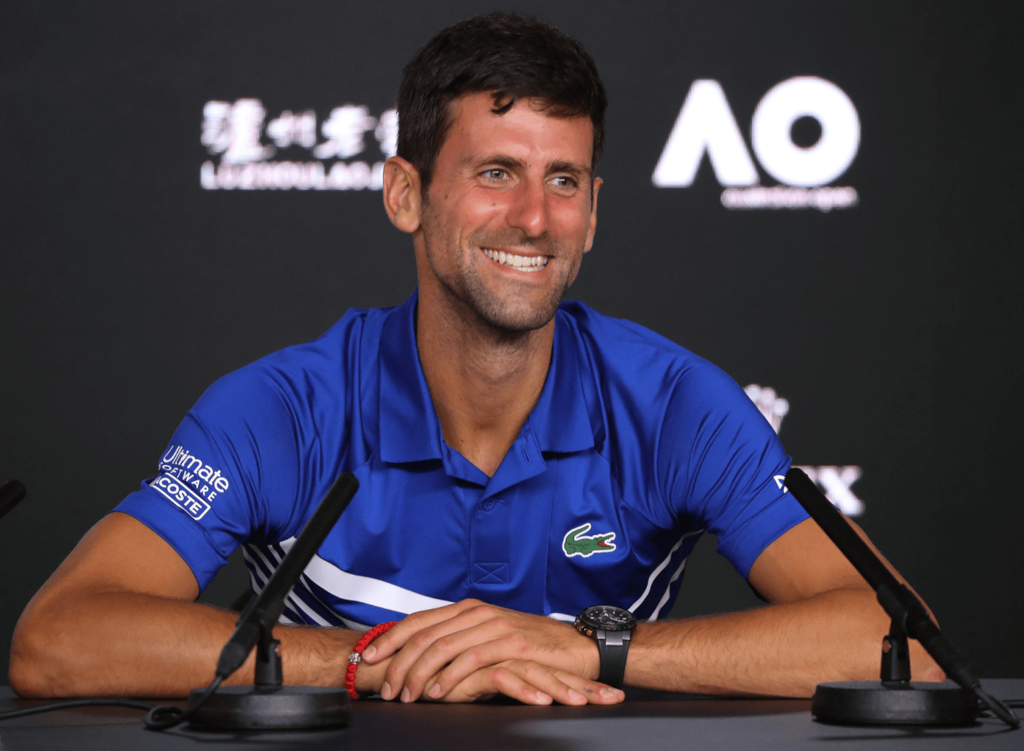
Public perception and personal reputation in the context of professional sports certainly begins with athletic talent. Shine on the field, and you’re going to get noticed. The sporting arena is a high performance arena, after all. There is, however, a whole lot more depth to sporting presence. While a fan’s interest in an athlete is typically sparked by witnessing their entertaining performances, sportsmanship itself is another huge consideration for professional athletes.
Indeed, an athlete’s sportsmanship can have a significant effect on the public’s perception of them. Although every sport has a “bad boy” fraternity of individuals-those who seem to get away with arrogance or ugliness-a lack of sportsman-like behaviour usually turns fans off, keeps sponsors wary, and keeps you on a knife’s edge regarding your future potential, and income.
Crowds warm to athletes that display humility and decency. There is something so charming about top level, professional athletes showing camaraderie and decency toward one another-winning and losing gracefully, while also eschewing anger and thuggery. Playing fair while showing restraint and self-control builds a consistent appreciation among fans. That’s hard to beat when extrapolating it into dollar value-reason enough to give careful consideration to how you want to be perceived.

Athletic performance is today not the only factor contributing to an athlete’s commercial success, which is why managing public perception and reputation for athletes is so crucial. MECE helps as a great framework for the purpose. MECE is a systematic problem-solving architecture that aids in solving complex issues. Widely employed by the consulting industry, MECE stands for Mutually Exclusive and Collectively Exhaustive. If that sounds complex, it isn’t, and MECE is first and foremost a process of simplifying problems, cutting through confusion, to identify needed resolutions of the relevant issues.
Factors affecting public perception and the reputation of athletes
Taking the MECE approach, we can divide the components that build an athlete’s public image thus:
- On-field performance (your sporting performance and sportsmanship)
- Off-field behaviour (your personal affairs)
Your on-field performance can be split into the measure of both your consistency in performance, as well as the level of play you can attain. Habitually being “in the zone” when you take to the field can take dedicated pre-match effort, but it pays big dividends. Consistency catches fans’ attention. Typically, the heights you can attain in your chosen sport follow on from consistently good performances, and form part of the narrative that fans will follow religiously.
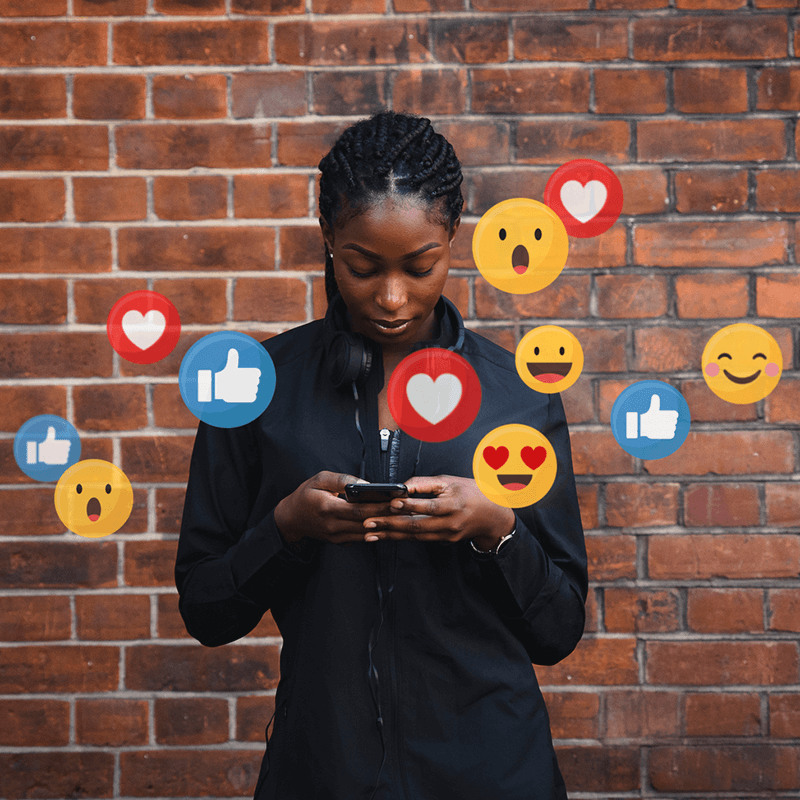
Off-field behavior refers to your social media presence, as well as personal relationships and lifestyle. It’s uncanny, in 2023, how many prominent personalities across diverse fields still walk right into irredeemable idiocy on social media. It’s best to remember that while your friends might be there, social media is not your friend. It’s a very potent marketing reality and a great way to connect with fans, but the moment you become too intimate and relaxed on social media, things can go wrong.
Remember, keep it professional. Think of social media platforms as a hot mike, always ready to embarrass you! Any bigoted, mean, or otherwise self-indulgent comments can not only embarrass you, they can completely ruin a professional athlete’s career.
Strong values and clear morals remain your best friends. No matter how copious chatting on social media becomes, remember the dark potential that awaits rude or otherwise unsavoury comments. No trolling. No sex, religion, or race! It’s best to omit these topics entirely, or kill them with a prepared stance. If it’s crucial for athletes to maintain a good public image, you want that image to reach as many potential fans as possible.
Of course, if your religion, for example, is important to you, you are welcome to make it a part of your public persona. You’re not welcome, however, to browbeat others with it, nor is it wise to wade into issues of gender or race. Former NFL coach and current ESPN analyst Herm Edwards once told a gathering of NFL rookies his formula for social media success: “Don’t press send!”
Fans want to see the admirable ethos of players carried over into their personal lives. Your personal relationships and personal affairs can attract attention. Remember Gerard Piqué, the Barcelona defender who was already slumping slightly, and then exposed as cheating on his girlfriend, the singer Shakira? He lost his girlfriend of 12 years, a million social media fans, and his position on the team. His form was a factor of course, but the ill will and torrent of negativity that greeted his messy immorality took things quickly downhill.
A professional athlete’s mantra should be “Good manners and a marketable lifestyle.” if that sounds trite, consider the huge number of athletes who may not be the wunderkind of the sport, yet enjoy a very impressive following and endorsements regardless, based on adequate sports performance, and an engaging personal lifestyle.
Fleshing out public image along MECE lines, we can consider the following points as management imperatives too:
- Endorsements and sponsorship. Your choice of endorsement deals can say a lot about you. Your product endorsements can positively or negatively impact your reputation.
- Criminal behavior. Don’t do it. Don’t behave criminally, and that includes DUIs and even misdemeanors.
- Public statements and interviews. By all means be yourself, but consider both the tone and messaging effect of your public statements, to ensure they are consistent with your personal values.
- Scandals and controversies will have a big impact on public perception, and thus your reputation. Everyone makes mistakes, and if you do find yourself embroiled in a looming scandal, speak clearly and put it to bed quickly. Rather avoid controversy like the plague and, again, let your morality keep you sailing through clearer waters.
Techniques for managing public perception and reputation
There are numerous considerations towards managing your reputation, and they need to include:
- Proactively managing your reputation. This means actively building a positive image through consistent behavior on and off the field. It implies developing and maintaining a positive social media presence, as well as carefully choosing between various endorsement deals.
- Reactively managing your reputation includes responding to negative publicity and controversies. Very importantly, it also encompasses utilizing crisis management strategies. Don’t make the mistake of assuming people’s goodness and understanding, and remember that just because you know your innocence and good standing, doesn’t mean that some crisis management won’t be needed at times. Hope for the best, but plan for the worst is a great maxim to follow!
- Third- party reputation management typically includes hiring a publicist or PR firm, and/or working with a reputation management consultant. In some fields you get a huge leg up from the resident professionals, and this is one of them. However much you might feel that you’re being overblown and pompous by hiring a third party, they are the people who will help you avoid every beginner mistake out there in managing reputation, and that’s priceless.
Reputation management takeaways
Even a casual search online should make every pro athlete aware of the importance of managing public perception and reputation. A broad strategy beyond MECE that will allow you to avoid agonizing over the minutiae of your public image includes the understanding that on- and off-field performances are both contributors to your sporting success. Emotional mastery means eschewing vulgar or belligerent speech, and always being the bigger man (or woman).
As a public sports personality, contemplate the repercussions of your actions, whether facing the desire to thump someone on the field or having that last drink on a Saturday night. It’s ultimately a small price to pay for the potential upside and, without such overall decency in play, that upside vanishes anyhow. Do your part, be aware, have a code. By all means, engage professionals who specialize in proactive reputation management.
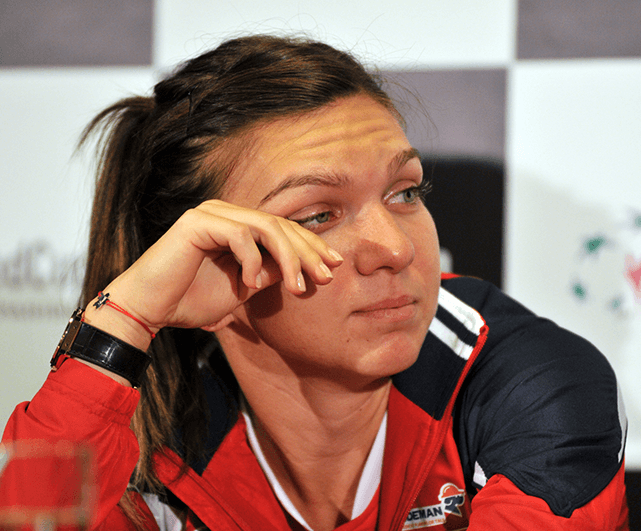
Remember too, if you do mess up (it happens), as any salesman can tell you, it’s an opportunity to show your heart, your willingness to take responsibility for your part in things, and possibly even come out more admirable than you went in. It’s not first choice of course, but if you find yourself looking shabby on social media, for example, and picking up a lot of criticism, speak to people with restraint and decency. Sometimes, how you handle controversy shows people for the first time just what a decent person you are.
It’s something all pro athletes have to accept-that your performance will be scrutinized, and you’ll attract attention for your personal affairs. Most professionals accommodate it graciously as a necessary evil towards raking in potentially big bucks, but, love it or hate it, you’re in the public eye now.
That shouldn’t be intimidating if you’re focused on your game and by and large a decent, affable person. It’s gloriously easy to access fans, sponsors, and a very handsome income when the spotlight is on you, so enjoy it, don’t fluff it!
FAQs
- How does on-field performance affect public perception and the reputation of athletes?
Sporting prowess is where fans’ awareness of rising stars begins, and it’s the baseline of your career, income, and overall presence. Here, consistency is key. Fans are drawn to players who consistently give it their all.
- What role does social media play in managing public perception and reputation for athletes?
Social media today plays a primary role as a means to manage your image, and the interaction fans and sponsors have with you. Great athletic ability alone won’t carry professional athletes to their maximum potential and income. Social media visibility and engagement are powerful tools to shape an athlete’s image and future earnings.
- How can athletes respond to negative publicity and controversies to minimize damage to their reputation?
In a nutshell, hire professionals! The athlete’s part comes in exercising restraint in response, and going slowly through controversy. Quick or hot-headed responses can be fatal. Take stock of where you are, the implications, and put your best foot forward. Image consultants can show you exactly which foot is best!
- Is it necessary for athletes to hire a publicist or PR firm to manage their public perception and reputation?
Beyond a certain point, it’s certainly preferable. Just as we all hire mechanics to fix our cars and lawyers to represent us in courts so too is sporting image management a specialized and crucial service. Your income and your reputation are in this mix, so unless you have a tremendous appetite for risk, or you live in a holy community of saints, having a professional in your corner is today essential in the bigger leagues.
- How can athletes ensure consistency in their messaging to maintain a positive public perception and reputation?
Figure out who you are and where you stand. Be clear about your morals and ethics, and then messaging becomes consistent, and never offensive. It might sound overly philosophical as a starting point for public image management, but your own morality and commitment to decent conduct in all areas of your life are attributes that will take the fear out of social media communication, meeting sponsors, or giving interviews. Your voice, your tone is consistent when you’re clear about your morals and happy to be one of the good people. It’s notable that boxing greats like De La Hoya, Pacquiao, and even Marvellous Marvin Hagler never engaged in trash talking. They were always polite and vaguely bemused by their opponents juvenile antics, right before they went out and mopped the floor with them, earning thousands of new fans every time they did so. They were great to watch because of their talent, but a very big part of their appeal was because fans could actively admire their restraint and root for them as the nice guys. In modern big league sports, nice guys finish first, not last!


